Custom Carpentry in Portland:
Cabinetry, Built-Ins, Closets & Finish Work
Portland homes need different kinds of carpentry, from new cabinets and closets in remodeled houses to careful restoration of original wood in older ones. This page explains each service in plain terms so you can tell which one fits your project. Contact Portlandia Remodeling and Home Maintenance when you’re ready to talk it through.
Finding the Right Carpenter in Portland
Picture a kitchen where the last cabinet stops four inches short of the wall, and a filler strip hides the gap. That's what stock sizes do in a room that wasn't built around them. Custom cabinetry starts with your room's real measurements instead.
We design and build cabinet boxes, doors, and drawers to fit the layout you have. That covers kitchens, bathrooms, laundry rooms, and other utility spaces. In older Portland houses, walls and floors are rarely square. Cabinets built to the actual space sit better and look cleaner than units forced into place.
Custom cabinetry isn't the same as custom built-ins. Cabinetry means boxes with doors and drawers, the kind you use for dishes, towels, or cleaning supplies. Built-ins are fixed pieces like bookshelves or benches that become part of the room itself. If your project is a kitchen or bath, cabinetry is usually the right place to start.
The planning stage is where most of the value is. Think about how you cook, where things pile up, and what bugs you about your current layout. Those answers shape everything that gets built.
Custom Cabinetry Fits Kitchens and Baths to Your Space
Picture a kitchen where the last cabinet stops four inches short of the wall, and a filler strip hides the gap. That's what stock sizes do in a room that wasn't built around them. Custom cabinetry starts with your room's real measurements instead.
We design and build cabinet boxes, doors, and drawers to fit the layout you have. That covers kitchens, bathrooms, laundry rooms, and other utility spaces. In older Portland houses, walls and floors are rarely square. Cabinets built to the actual space sit better and look cleaner than units forced into place.
Custom cabinetry isn't the same as custom built-ins. Cabinetry means boxes with doors and drawers, the kind you use for dishes, towels, or cleaning supplies. Built-ins are fixed pieces like bookshelves or benches that become part of the room itself. If your project is a kitchen or bath, cabinetry is usually the right place to start.
The planning stage is where most of the value is. Think about how you cook, where things pile up, and what bugs you about your current layout. Those answers shape everything that gets built.
Custom Built-Ins Add Storage That Becomes Part of the Room
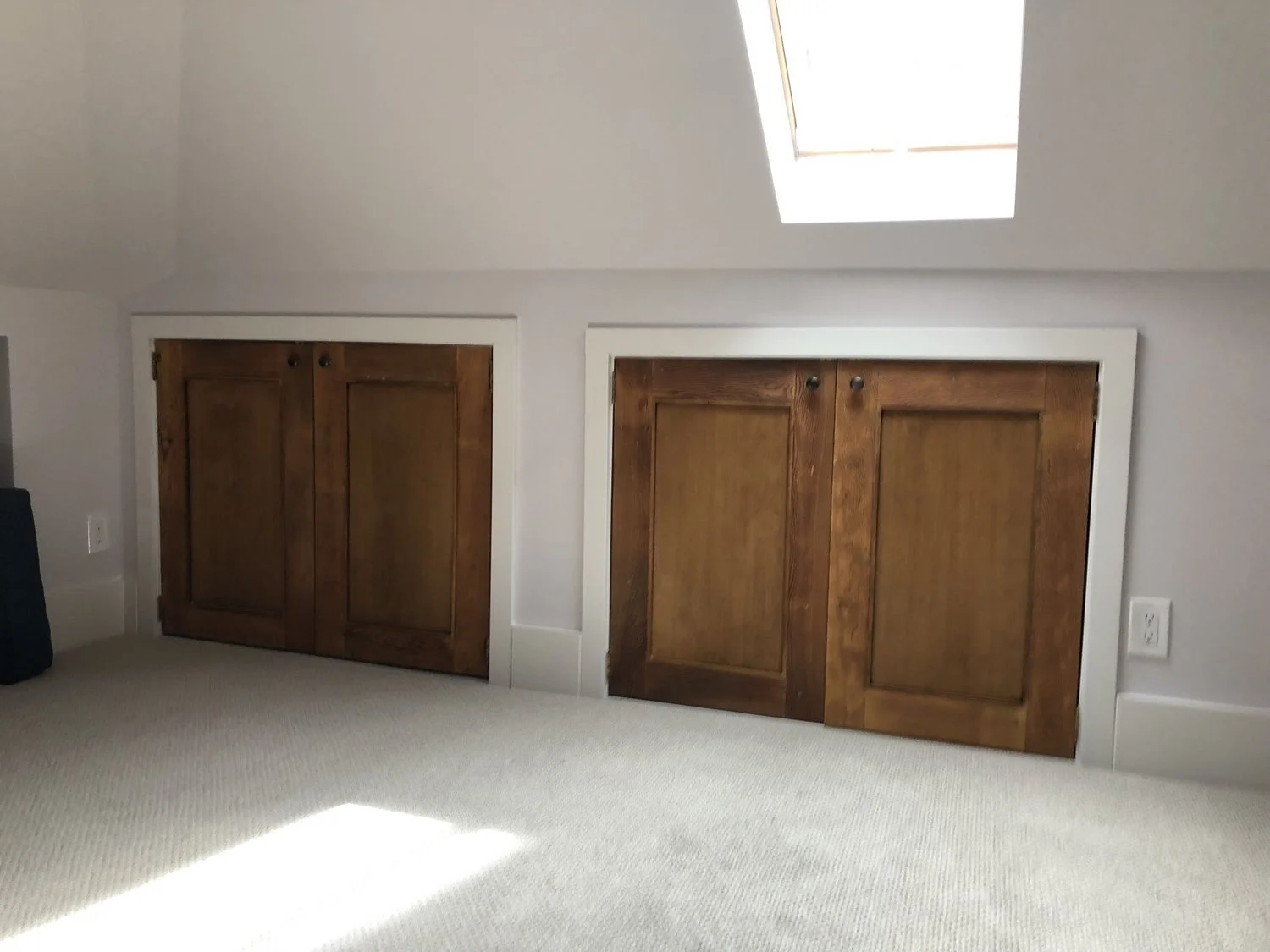
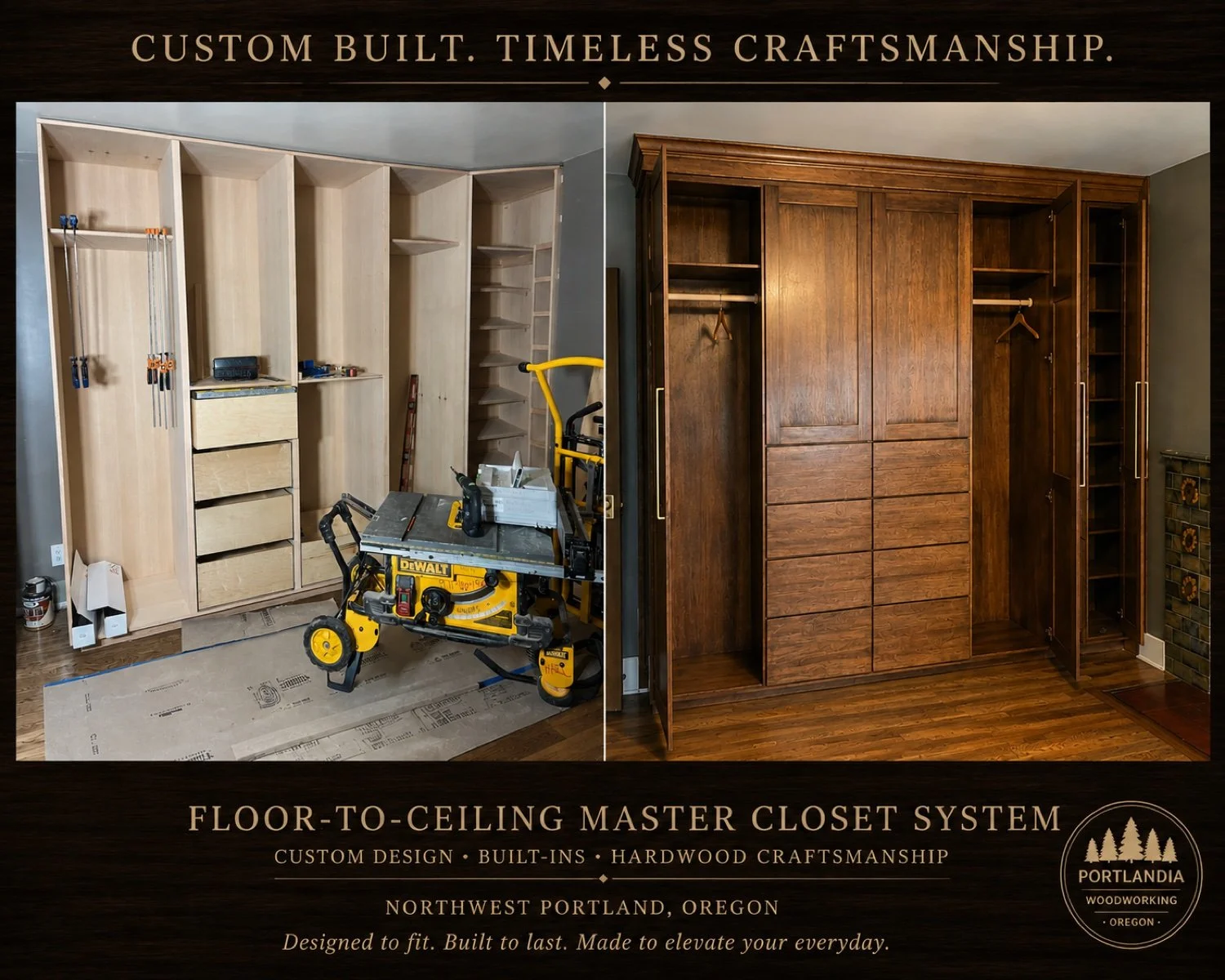
A lot of older Portland homes, including Craftsman bungalows and Foursquares, have odd-shaped nooks. There's the space beside a chimney, the gap under a stair, or the wall that's a few inches too narrow for any bookcase you can buy. Those are the spots where custom built-ins make the most sense.
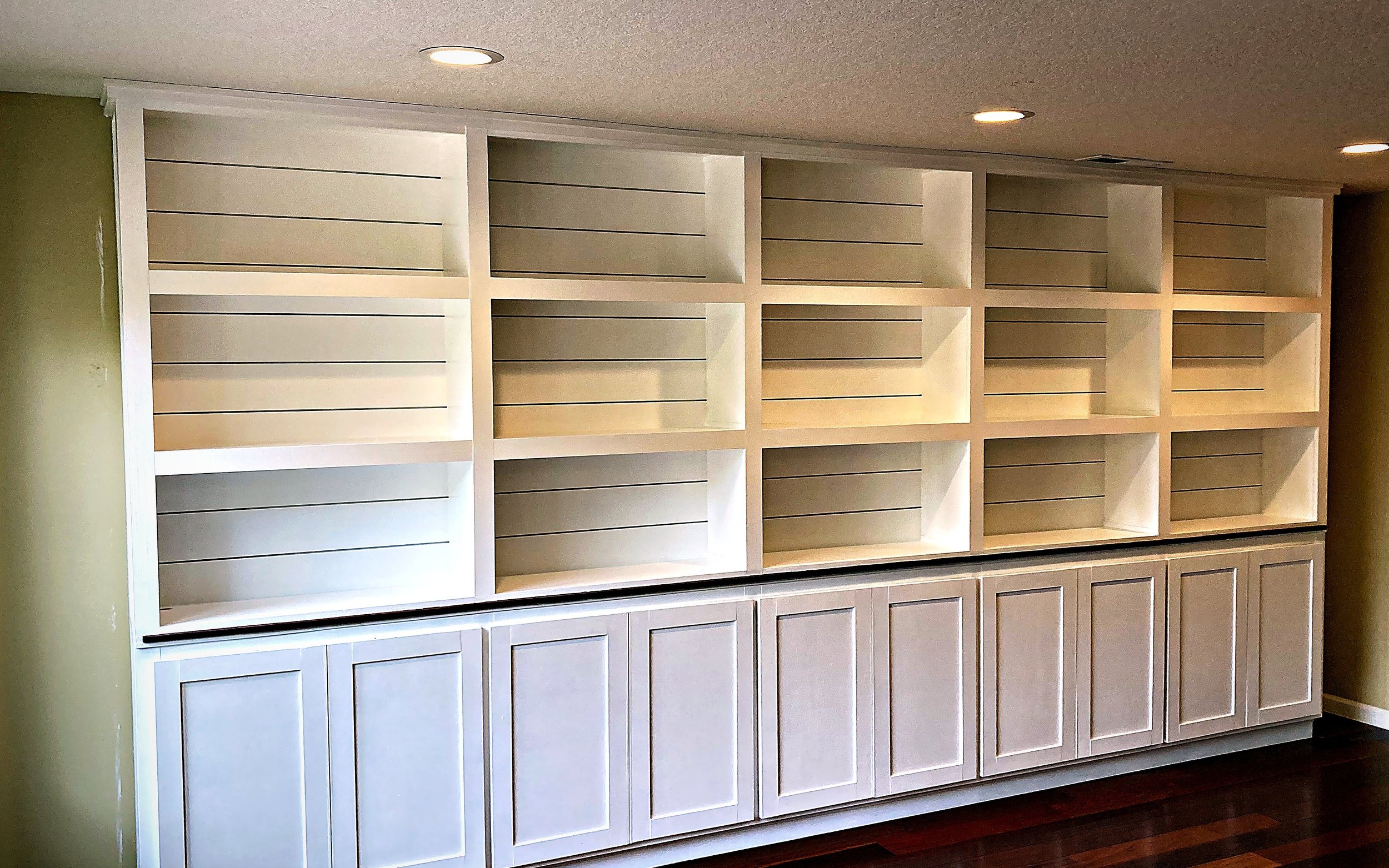
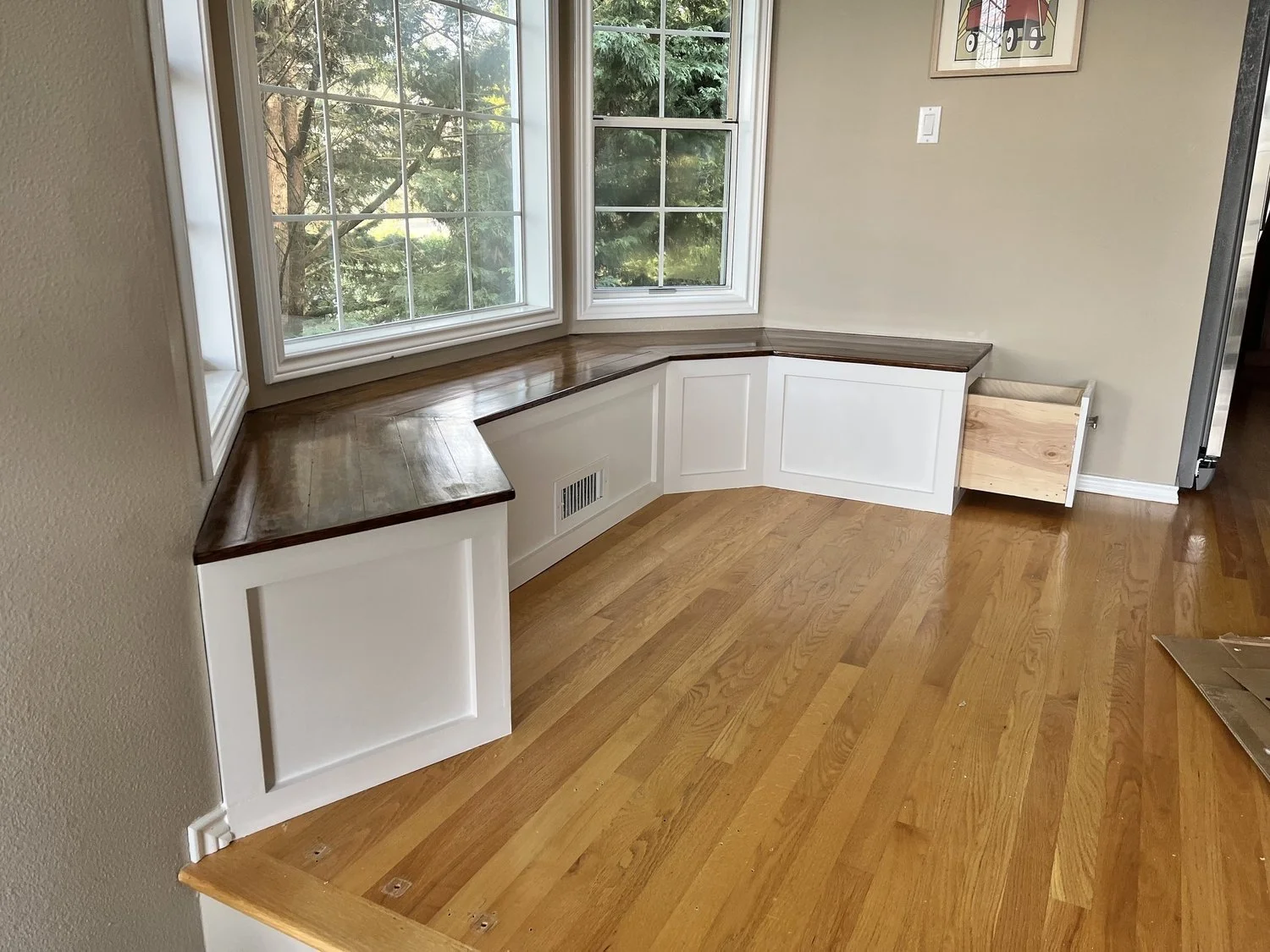
Custom built-ins are measured and built to fit one specific wall or nook. Bookshelves, entertainment walls, and benches are common choices. Because they're attached to the house and trimmed to match the room, they look like they came with the home rather than like furniture you added later.
Built-ins are different from custom cabinetry. Built-ins are fixed, architectural storage that becomes part of the room. Cabinetry refers to boxes with doors and drawers, mostly for kitchens and baths. Some projects use both, but they solve different problems.
In older homes, matching the existing trim matters a lot. A new bookshelf with the wrong casing profile stands out the moment you walk in. Careful trim matching helps new work fit the home's character. Read more about how we plan and build custom built-ins.
Finish Carpentry & Millwork Covers
the Details That Finish a Room
Finish carpentry is the last layer of woodwork in a room. Once framing and drywall are done, it's the trim, casing, and millwork that make a space look complete instead of half-built.
On a typical project, finish carpentry & millwork can include:
Baseboards and shoe molding
Door and window casing
Window stools and aprons
Decorative millwork like panels or built-up trim
This is the stage where small mistakes show. A miter that's off by a hair or a nail hole left unfilled catches your eye every time you walk past. In older homes, walls that aren't square make the job harder, so each joint has to be scribed and fitted by hand. That takes patience, and it's what separates a room that looks finished from one that looks close.
If you're wrapping up a remodel and the rooms still look raw, finish carpentry is likely what's missing.
Finish Carpentry & Millwork Covers the Details That Finish a Room
Finish carpentry is the last layer of woodwork in a room. Once framing and drywall are done, it's the trim, casing, and millwork that make a space look complete instead of half-built.
On a typical project, finish carpentry & millwork can include:
Baseboards and shoe molding
Door and window casing
Window stools and aprons
Decorative millwork like panels or built-up trim
This is the stage where small mistakes show. A miter that's off by a hair or a nail hole left unfilled catches your eye every time you walk past. In older homes, walls that aren't square make the job harder, so each joint has to be scribed and fitted by hand. That takes patience, and it's what separates a room that looks finished from one that looks close.
If you're wrapping up a remodel and the rooms still look raw, finish carpentry is likely what's missing.
Crown Molding Installation Adds
a Finished Edge to Any Room
Crown molding runs along the line where your walls meet the ceiling. Shiplap and wainscoting cover the wall surfaces themselves. People often install both in the same remodel, but they handle different parts of a room.
Crown molding installation means measuring, cutting, and fitting each piece so the corners close tight. Inside corners are usually coped rather than mitered. A coped joint holds up better as the house moves through wet winters and dry summers. It's slow, careful work, and it's the kind of detail you notice right away when it's done poorly.
Matching is a common request in older homes. Maybe the front rooms still have their original crown, and a later remodel left the kitchen bare. Matching an old profile can mean building it up from more than one piece of molding. I'd call it some of the most satisfying work we do, since the goal is for nobody to see where the old ends and the new begins.
Crown molding also works in newer houses that feel a bit plain. One clean line at the ceiling changes how a whole room reads.
Wood Restoration Brings Original Woodwork Back to Life
Tearing out old woodwork is often the first idea, and it isn't always the right one.
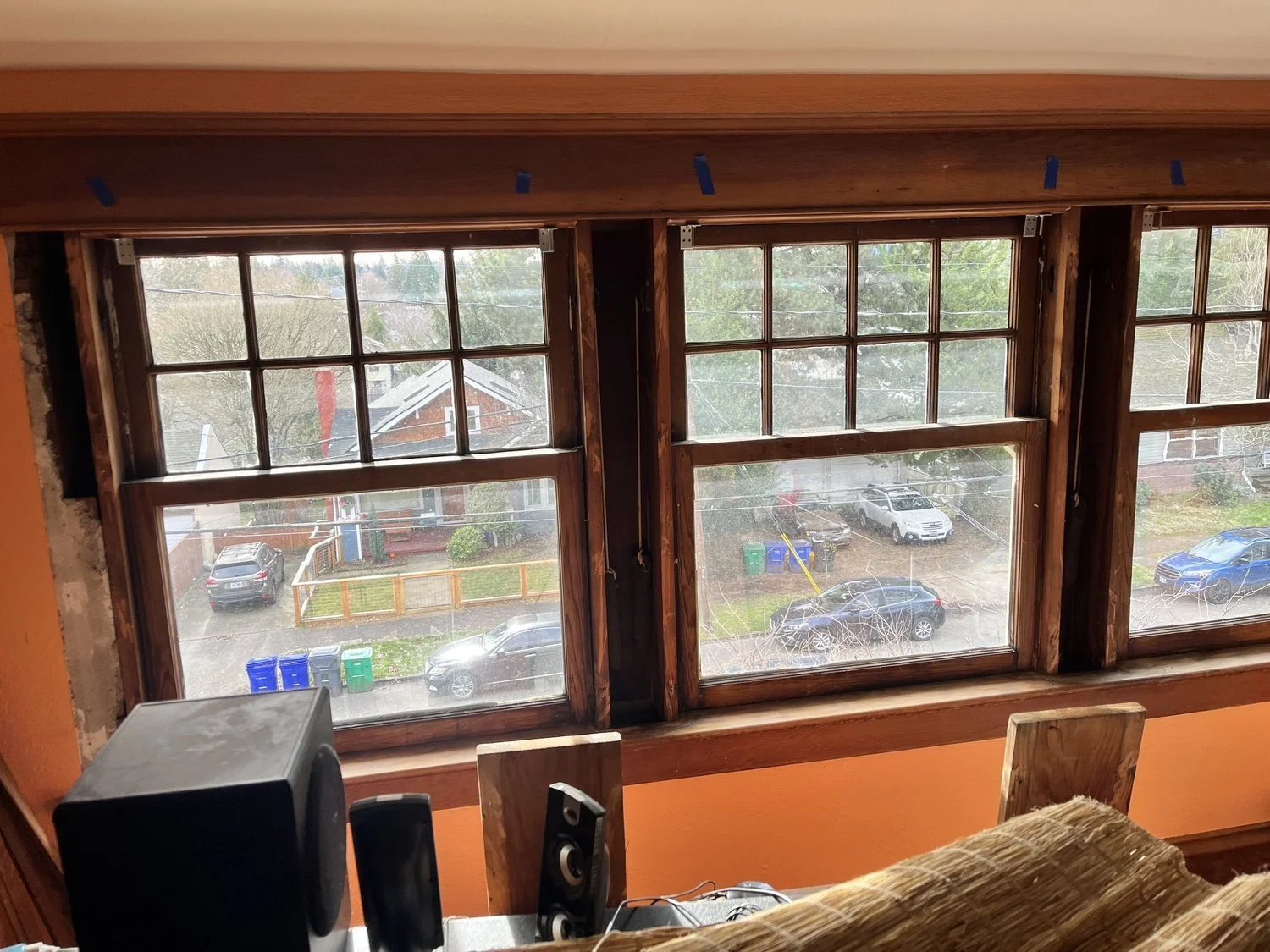
Wood restoration repairs and refinishes the wood you already have. That can mean patching rot, rebuilding a damaged section with matching material, stripping tired finish, and bringing the grain back. The aim is to keep as much original material as we can.
Portland neighborhoods with lots of early-1900s homes, like Southeast and inner Northeast Portland, are full of Craftsman bungalows and Foursquares with original trim and doors. Much of that wood is old-growth lumber, denser and more stable than what you'd buy today. Once it's gone, you can't get it back.
Wood restoration is the general skill. Door refinishing and stair and handrail refinishing are specific uses of that same skill. If you're not sure which one fits your project, this is a good place to start.
Lasting repairs depend on finding where the water is coming from. Patching rot without fixing the source just sets up the same repair again in a few years. Read more about wood restoration in Portland.
Wood Window Restoration Repairs Original Windows Instead of Replacing Them
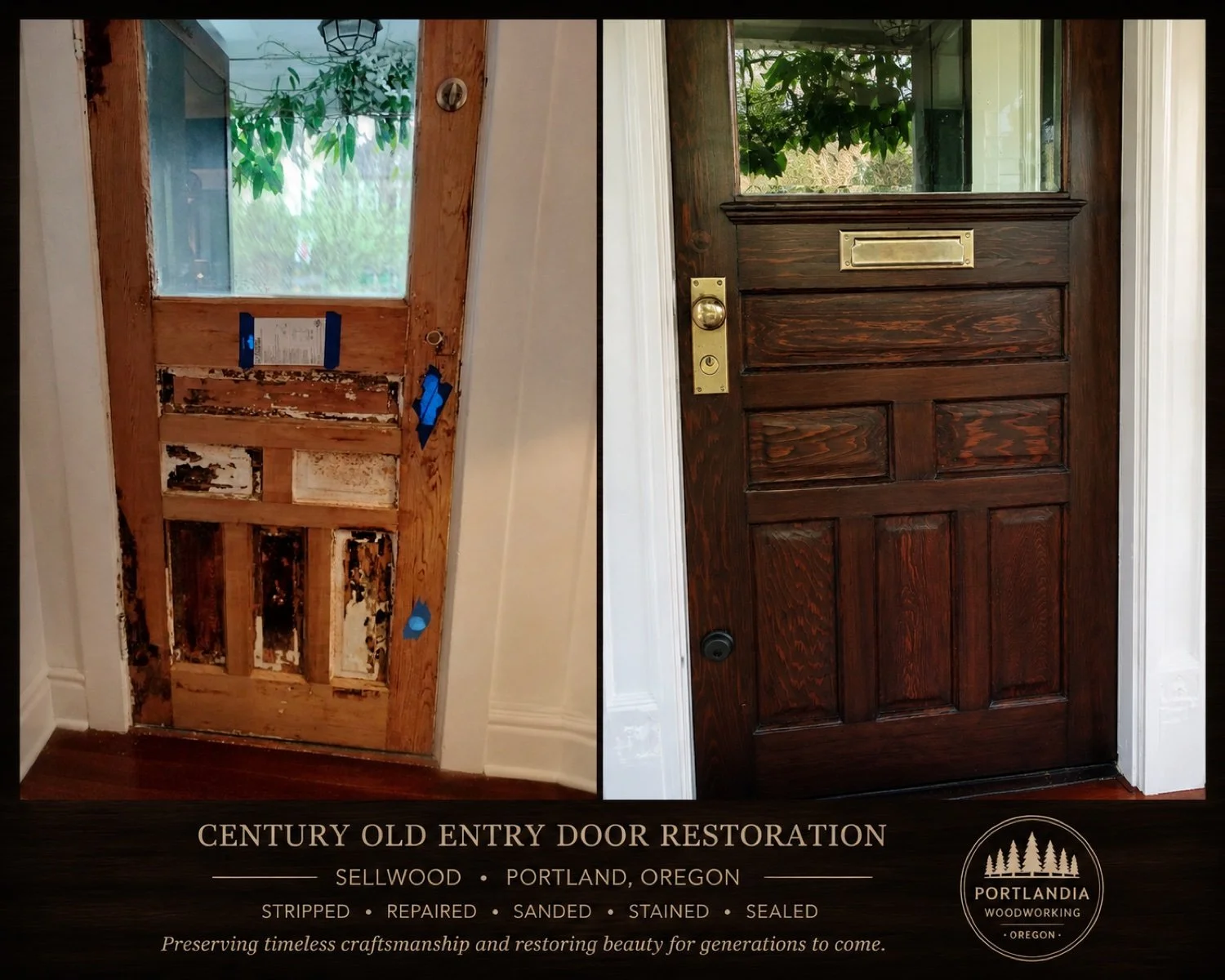
A window that sticks every summer, a draft you feel in January, paint that keeps peeling off the sill. Those are signs an original wood window needs help. They aren't proof it needs replacing.
Wood window restoration works on the whole window. It addresses the frame, the glazing, and the weatherstripping so the window opens, closes, and seals the way it should. Window sash repair is narrower. It fixes just the moving sash.
Portland's wet fall and winter speed up rot in original window frames. After the rainy months, it's worth checking for:
Soft or spongy wood at the sill or lower frame
Cracked or missing glazing putty
Gaps where air or daylight comes through
Sashes that bind or won't stay open
Catching these early usually saves more of the original window. Exterior work also goes better when it's scheduled around dry stretches, so spring and summer are good times to plan. Find out more about window restoration.
Stair & Handrail Refinishing
Restores Worn Wood Safely
Stairs take more daily wear than almost any other wood in a house. Treads go dull in the middle, railings get loose, and posts start to wobble. A handrail that shifts when you grab it isn't just a looks problem.
Stair & handrail refinishing repairs and refinishes your existing treads, railings, and posts. The goal is to bring back both the look and safe function. It's one specific use of wood restoration, focused only on stairs and handrails rather than doors or general trim. The work often covers:
Sanding and refinishing worn treads and risers
Tightening or rebuilding loose railings and balusters
Replacing damaged posts with new ones that match the rest
Refinishing handrails so they're smooth and solid under your hand
Clear scope matters a lot on stair work. In my view, you should know exactly what's being repaired, what's being replaced, and why before anything starts. A vague quote leaves you guessing. See more about sanding, staining, and refinishing.
Stair & Handrail Refinishing Restores Worn Wood Safely
Stairs take more daily wear than almost any other wood in a house. Treads go dull in the middle, railings get loose, and posts start to wobble. A handrail that shifts when you grab it isn't just a looks problem.
Stair & handrail refinishing repairs and refinishes your existing treads, railings, and posts. The goal is to bring back both the look and safe function. It's one specific use of wood restoration, focused only on stairs and handrails rather than doors or general trim. The work often covers:
Sanding and refinishing worn treads and risers
Tightening or rebuilding loose railings and balusters
Replacing damaged posts with new ones that match the rest
Refinishing handrails so they're smooth and solid under your hand
Clear scope matters a lot on stair work. In my view, you should know exactly what's being repaired, what's being replaced, and why before anything starts. A vague quote leaves you guessing. See more about sanding, staining, and refinishing.
Garage Storage Systems Organize Tools and Equipment
Most garages slowly turn into a pile. Bikes, tools, paint cans, and camping gear all end up fighting for the same floor space.
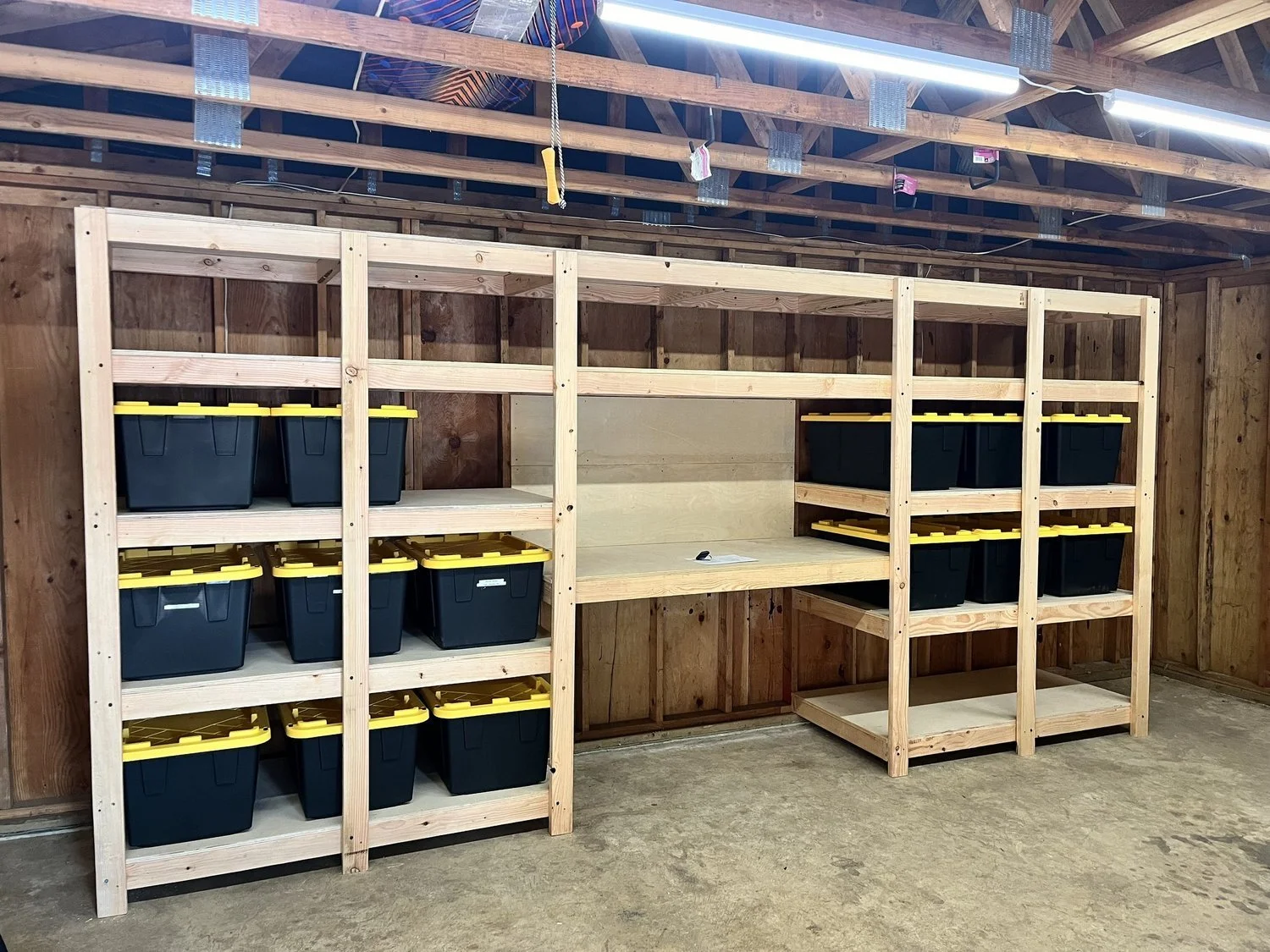
The garage storage systems we build are made to fit your garage's actual layout. We use wall space and corners for sturdy shelving and storage units sized to what you keep. Built carpentry can follow an uneven slab or work around a water heater in ways a pre-fab kit can't.
This service covers built storage. Assembling and hanging store-bought kits is handyman work, and that's a different kind of job.
Good garage storage starts with what you own and how often you reach for it. Tools you use every week belong at arm's height. Seasonal gear can go up high, out of the way. If a car still needs to fit, that shapes how deep the shelves can be. Thinking through those questions first makes the finished space work for years. Read more about storage solutions.